HOW DOES IT HELP YOU?
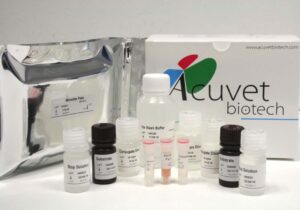
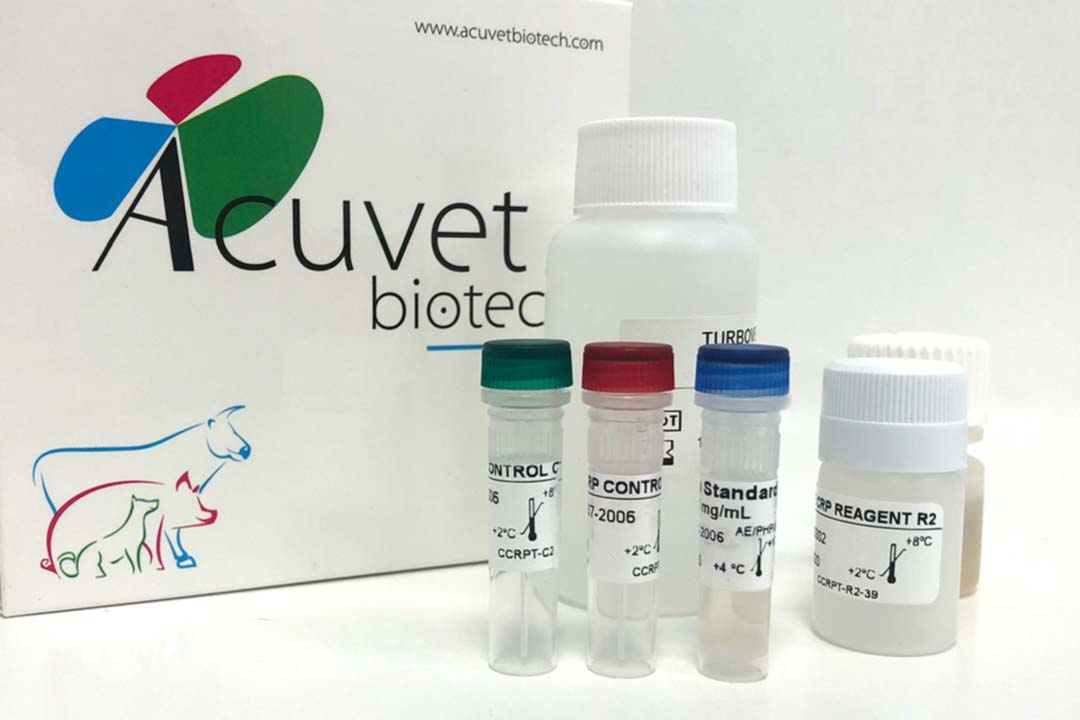
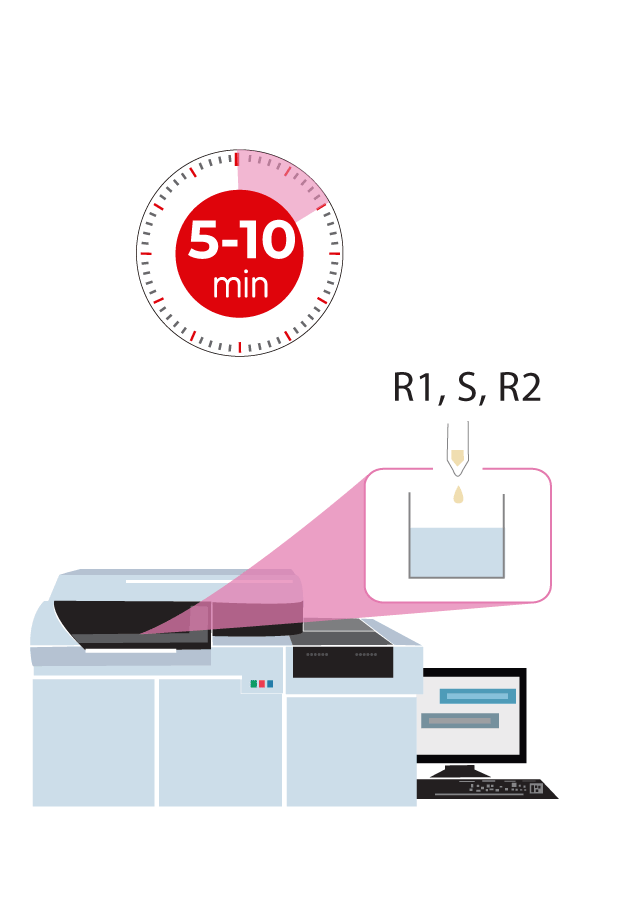
Haptoglobin is used in the diagnosis and monitoring of infectious or inflammatory diseases in cattle, and provides a quantitative and objective measure of the animal’s health and welfare status. It helps to detect diseases such as metritis, mastitis or bovine respiratory disease early, and to evaluate if the applied treatments are effective. With the Turbovet method the analysis can be automated and the results are obtained in a few minutes. Furthermore, it provides sufficient sensitivity to measure basal levels, high precision and reproducibility, and unlike the colorimetric method, it does not present interference by hemolysis. Thus it is an ideal tool for production quality control systems or animal welfare certification programs, as well as for the clinical diagnostic laboratory, which can easily incorporate this parameter into their analytical profiles.
MATRIX
APPLICATIONS AND USERS
ASSAY PROCEDURE
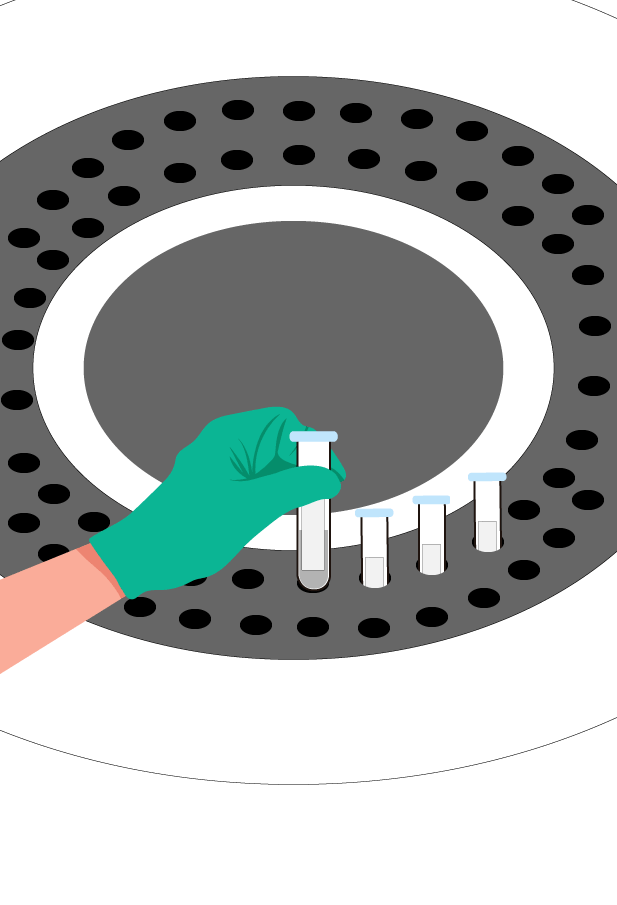

Nombre del video
TEST PRINCIPLE
Particle-enhanced turbidimetric method: in the reaction media haptoglobin from serum reacts with specific antibodies fixed to latex particles, forming aggregates that originate and increase of turbidity. The increase of turbidity is determined with a photometric measure, and is proportional to the concentration of haptoglobin in the sample. The assay is calibrated according to the European Reference Serum for Bovine Acute Phase Proteins (European Concerted Action QLRT-1999-01532).
TECHNICAL DATA
- Specific for bovine
- Limit of detection: 5 mg/L
- Working range: 0-400mg/L
- Time of assay: 5 minutes
- Reagents: ready to use and very stable
- Automatic: adaptable to any open clinical chemistry analyzer.
- No interferences by hemoglobin (20g/L), bilirubin (0.15mg/L), or triglycerides (10g/L)
Validations:
Validated by the Autonomous University of Barcelona, following CLSI and SECQ guidelines.