RC Caprino

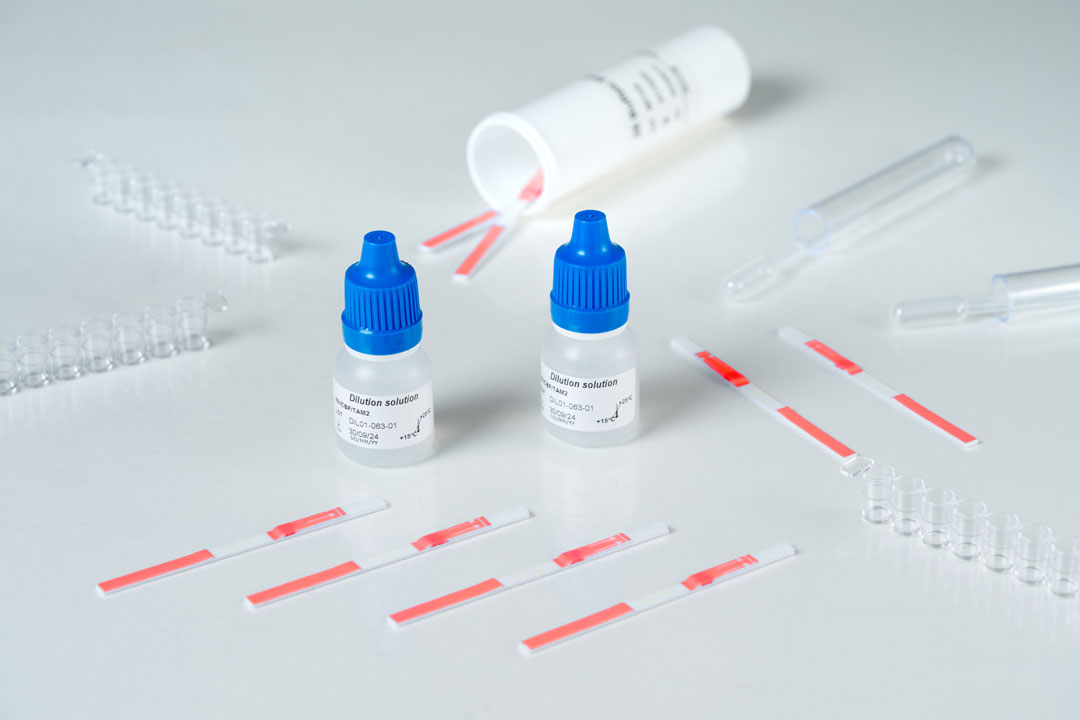
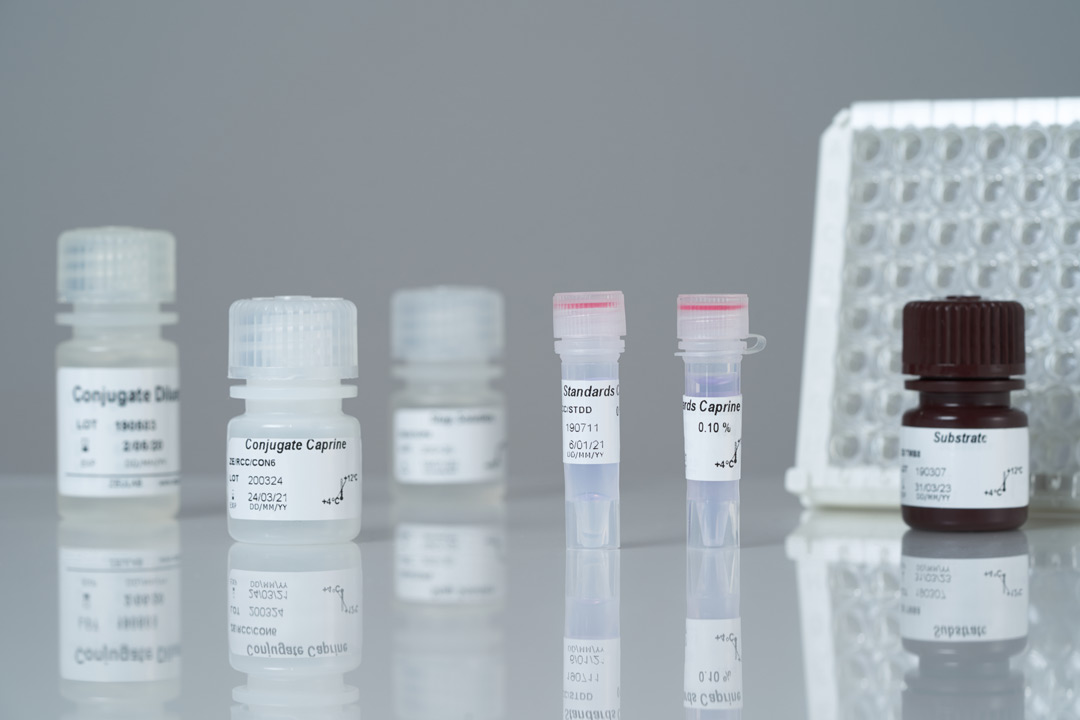
Cuantifica la presencia de leche de cabra en una mezcla. Podrás analizar la leche en tu laboratorio y disponer de resultados precisos en poco más de una hora.

¿Quieres comprobar que las muestras de leche de oveja que recibes a diario no están contaminadas con leche de cabra?
¿Debes asegurar en tus análisis diarios la pureza de un número elevado de las muestras a la vez?
¿Quieres verificar el porcentaje de mezcla de la leche con la que fabricas tu queso?


¿CÓMO TE AYUDA?

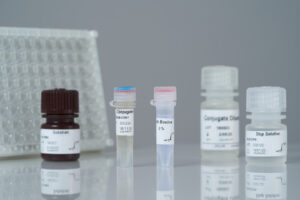
El test RC Caprino permite cuantificar el porcentaje de leche de cabra en tu laboratorio. RC Caprino te ayuda a estandarizar tu producción y comprobar que tu queso de mezcla se fabrica con los porcentajes de leche correctos. Analizando con RC asegurarás la limpieza correcta de cisternas e instalaciones evitando contaminaciones cruzadas.

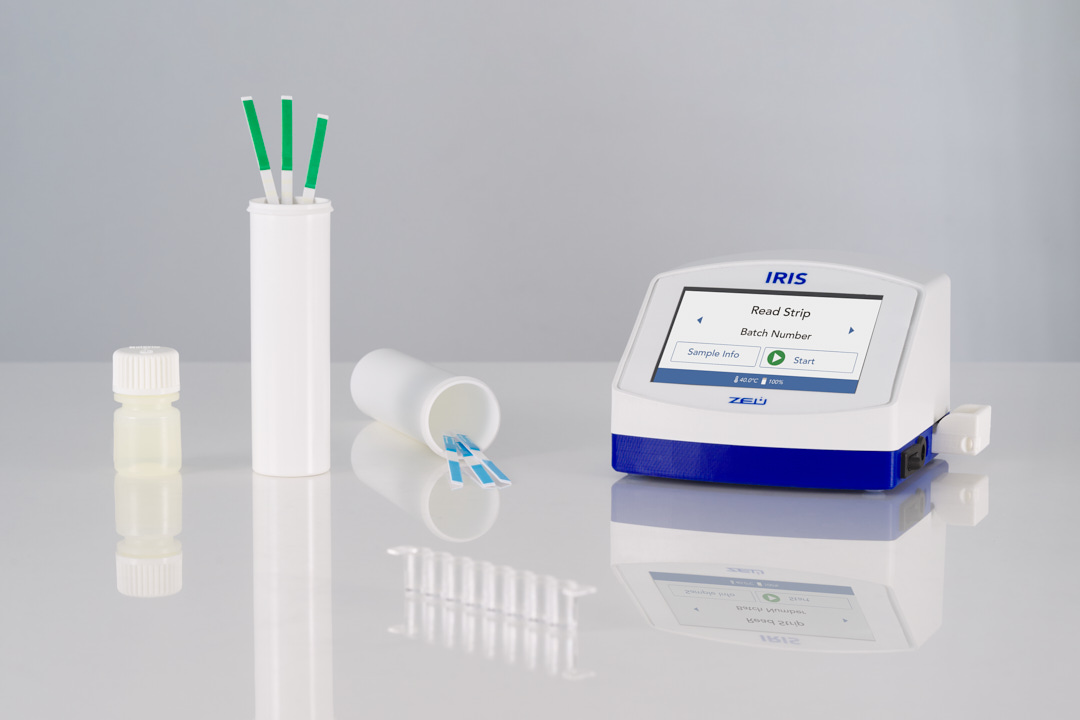
El diseño de sus reactivos y protocolos hacen fácil su aplicación en un laboratorio con un equipamiento básico o la integración en los robots de laboratorio para su completa automatización.


MATRIZ

LECHE CRUDA

QUESO

LECHE PASTEURIZADA

APLICACIONES Y USUARIOS

TANQUE

CAMIÓN

PLANTA

PROCEDIMIENTO DE ENSAYO

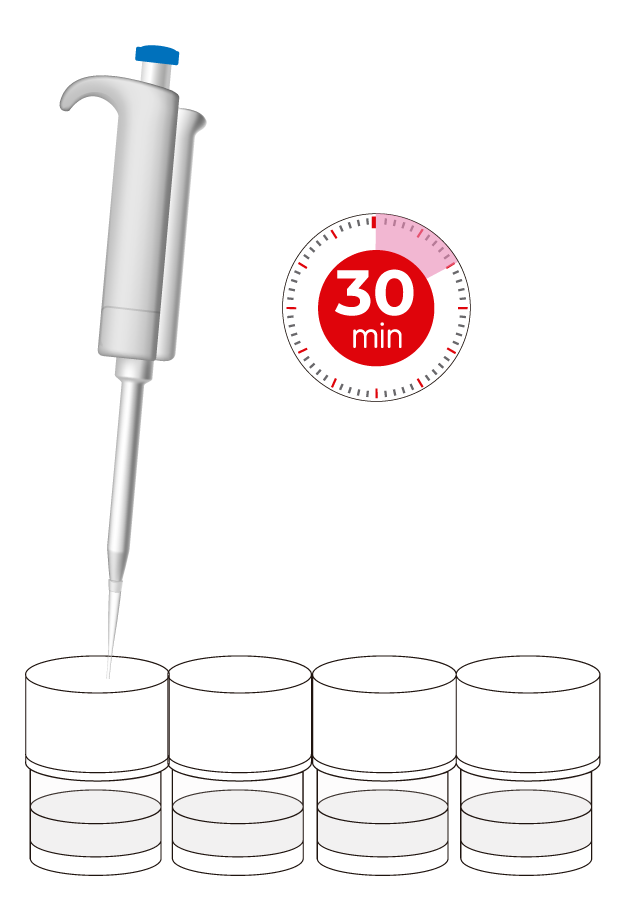
1. Dilución de la muestra:
Aplicar muestra/patrón

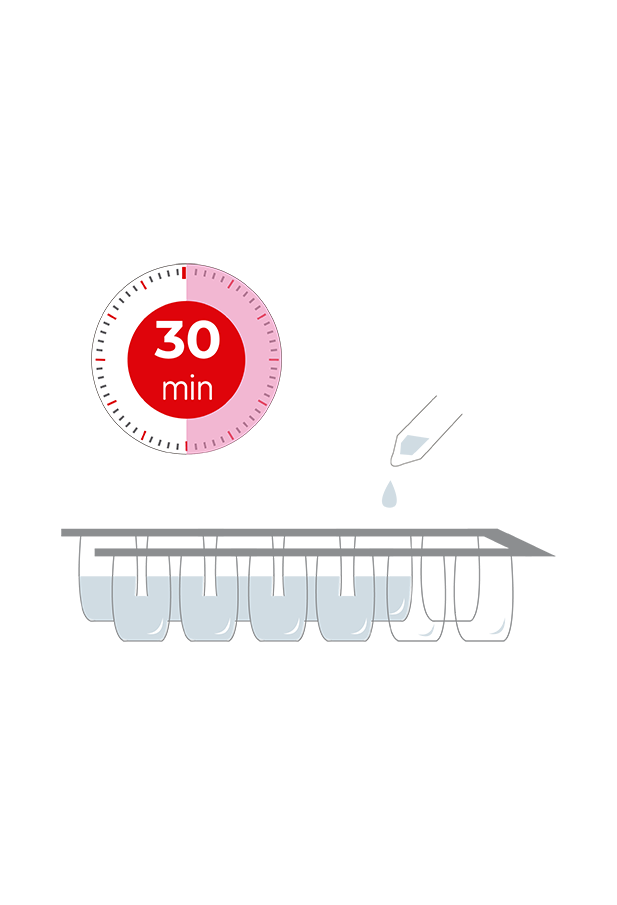
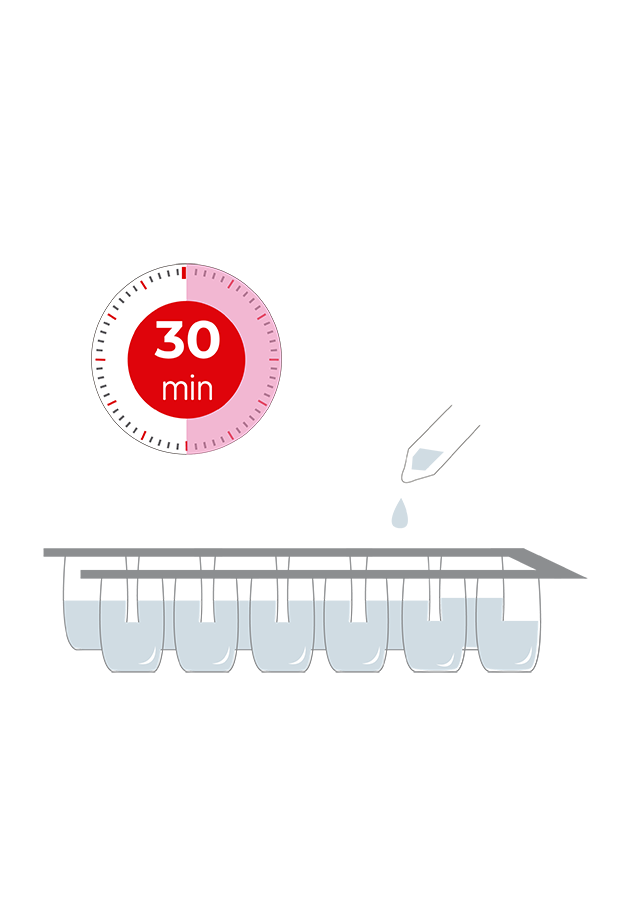
Incubación a temp. ambiente


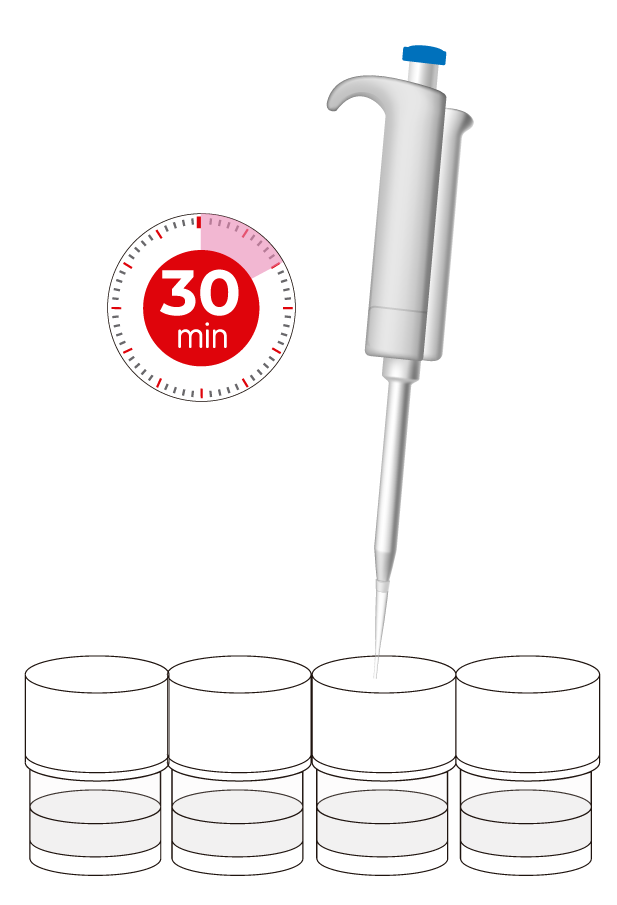
2. Conjugado:
Incubación a temp. ambiente

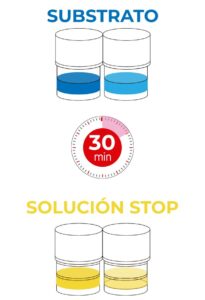
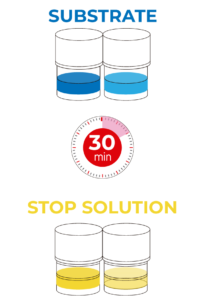
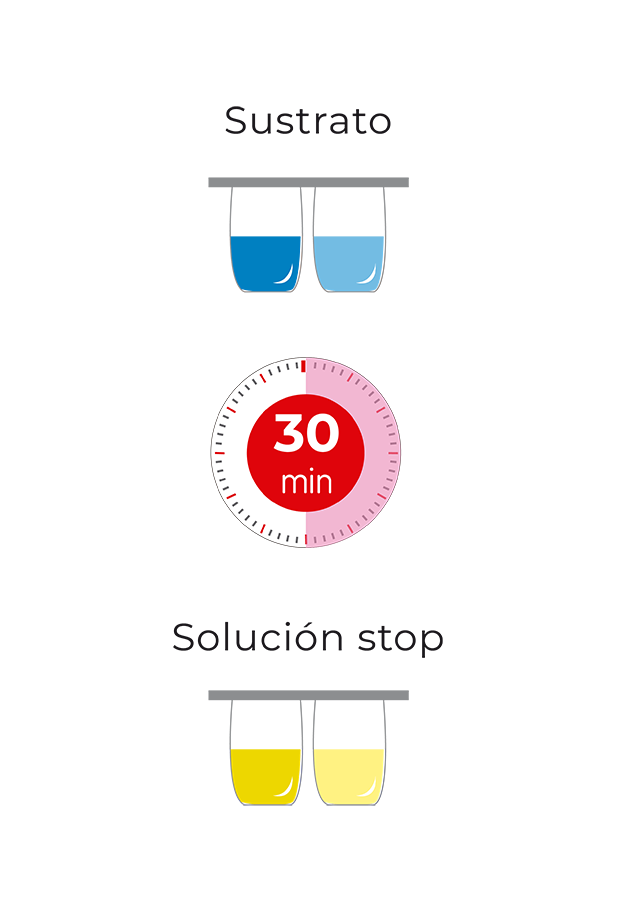
Añadir substrato e incubar a temp. ambiente

3. Resultado:
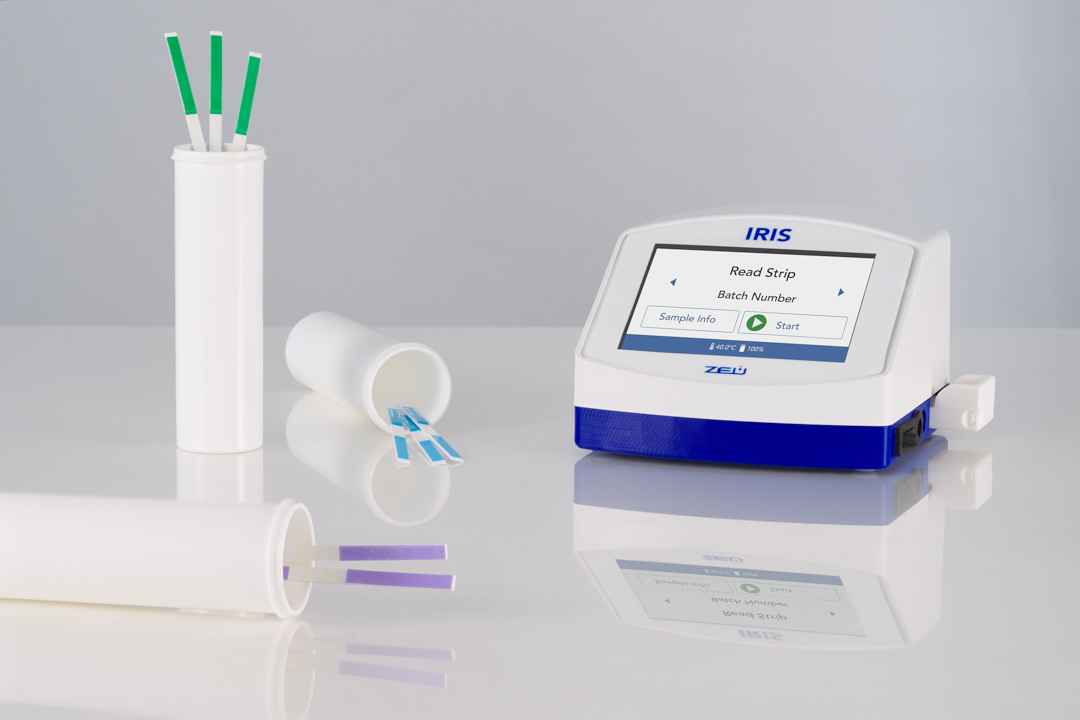
Lectura fotométrica a 450nm

PRINCIPIO DEL TEST

Test ELISA sándwich basado en la detección de inmunoglobulinas G (IgG) de vaca con anticuerpos específicos.


DATOS TÉCNICOS

  • Límite de detección: 0,01%
  • Rango de cuantificación: 0,25-30%
  • Resultados: lectura fotométrica a 450 nm disponible en 90 minutos.
  • Lectura objetiva y cuantitativa: lector ELISA.


Validaciones:

Validación interna: Siguiendo las recomendaciones de la guía Eurachem.

Productos relacionados

Artículos relacionados

RC Caprino

Quantify in your lab the presence of goat’s milk in a mixture of milks. Thanks to an easy ELISA assay you will be able to analyse the milk in your lab and obtain accurate results in a little more than one hour.


Want to check that the sheep’s milk samples that you receive daily aren’t contaminated with goat’s milk?
Need to ensure in your daily assays the purity of a high number of samples simultaneously?
Want to verify the percentage of mixture in the milk that you use to produce your cheese?


[button size=»small» icon=»fa-phone» target=»_self» hover_type=»default» text_align=»center» text=»CONTACT US» background_color=»#1e73be» border_color=»#1e73be» hover_background_color=»#fc634a» hover_border_color=»#fc634a» link=»#seccion-contacto»]

HOW DOES IT HELP YOU?


The RC Caprine test let you quantify the percentage of goat´s milk in your lab.
RC Caprine helps you to standardize your production and check that your mixture cheese is manufactured with the correct percentages of milk. The analysis with RC let you ensure the correct cleanliness of tanks and installations to avoid cross-contamination.
The test can be easily used in a lab with basic equipment or automated with lab robots.

MATRIX
[icon_text box_type=»normal» icon_type=»normal» icon_position=»top» icon_size=»fa-2x» use_custom_icon_size=»no» title_tag=»h6″ separator=»no» title=»RAW SHEEP MILK» image=»2470″]
[icon_text box_type=»normal» icon_type=»normal» icon_position=»top» icon_size=»fa-2x» use_custom_icon_size=»no» title_tag=»h6″ separator=»no» image=»2478″ title=»CHEESE»]
[icon_text box_type=»normal» icon_type=»normal» icon_position=»top» icon_size=»fa-2x» use_custom_icon_size=»no» title_tag=»h6″ separator=»no» image=»2477″ title=»PASTEURIZED SHEEP MILK»]
APPLICATIONS AND USERS
[icon_text box_type=»normal» icon_type=»normal» icon_position=»top» icon_size=»fa-2x» use_custom_icon_size=»no» title_tag=»h6″ separator=»no» title=»TANK» image=»2471″]
[icon_text box_type=»normal» icon_type=»normal» icon_position=»top» icon_size=»fa-2x» use_custom_icon_size=»no» title_tag=»h6″ separator=»no» title=»TRUCK» image=»2473″]
[icon_text box_type=»normal» icon_type=»normal» icon_position=»top» icon_size=»fa-2x» use_custom_icon_size=»no» title_tag=»h6″ separator=»no» title=»SILO» image=»2474″]

ASSAY PROCEDURE

[qode_elements_holder number_of_columns=»two_columns» columns_proportion=»25_75″][qode_elements_holder_item advanced_animations=»no» background_color=»#f5f6f6″ item_padding=»10px 20px 10px 15px» item_padding_1280_1440=»0px 0px 0px 0px» item_padding_1024_1280=»0px 0px 0px 0px» item_padding_768_1024=»0px 0px 0px 0px»]

1. Sample dilution:

Apply samples/standards Incubation RT

2. Conjugate:

Incubation RT.

Add substrate & incubation RT.

3. Results:

Photometrical reading at 45 nm

[/qode_elements_holder_item][/qode_elements_holder]
[qode_elements_holder number_of_columns=»two_columns» columns_proportion=»25_75″][qode_elements_holder_item advanced_animations=»no» item_padding=»0px 15px 0px 0px» item_padding_1280_1440=»0px 15px 0px 0px» item_padding_1024_1280=»0px 15px 0px 0px» item_padding_768_1024=»0px 15px 0px 0px» item_padding_600_768=»0px 0px 15px 0px» item_padding_480_600=»0px 0px 15px 0px» item_padding_480=»0px 0px 15px 0px»][qode_video_box video_link=»https://www.youtube.com/watch?v=ND4RlbEaetM» video_image=»1651″]

Nombre del video

[/qode_elements_holder_item][qode_elements_holder_item advanced_animations=»no» background_color=»#f5f6f6″ item_padding=»10px 20px 10px 15px» item_padding_1280_1440=»0px 0px 0px 0px» item_padding_1024_1280=»0px 0px 0px 0px» item_padding_768_1024=»0px 0px 0px 0px»]

1. Sample dilution:

Apply samples/standards Incubation RT

2. Conjugate:

Incubation RT

3. Results:

Photometrical reading at 45 nm

[/qode_elements_holder_item][/qode_elements_holder]

TEST PRINCIPLE

ELISA sandwich test based on the detection of caprine G (IgG) immunoglobulins by specific antibodies.

TECHNICAL DATA

  • Limit of detection: 0,01%
  • Range of quantification: 0,25-30%
  • Results: Objective and quantitative reading: ELISA reader in 90 min


Validations:

Internal validation following the AOAC and Eurachem guidelines:

Appendix F: Guidelines for Standard Method Performance Requirements. Official Methods of Analysis (2016), AOAC INTERNATIONAL, Rockville, MD, USA (www.eoma.aoac.org/app_f.pdf) Esta referencia es común para test cualitativos y cuantitativos.

EURACHEM, 1998. The Fitness for Purpose of Analytical Methods: A Lab-oratory Guide to Method Validation and Related Topics. EURACHEM.

References AOAC (Association of Official Analytical Chemists), 2012. Guidance for Standard Methods Performance Requirements. AOAC. Bansal, B., Chen, X.D., 2006.

Related articles

[latest_post type=»boxes» number_of_colums=»4″ number_of_rows=»1″ text_from_edge=»yes» order_by=»date» order=»DESC» title_tag=»h4″ display_category=»0″ display_time=»1″ display_comments=»0″ display_like=»0″ display_share=»0″ text_length=»0″ category=»adulteraciones»]
Scroll al inicio