MICROLAB AND MICROLAB BASIC CUSTOMERS
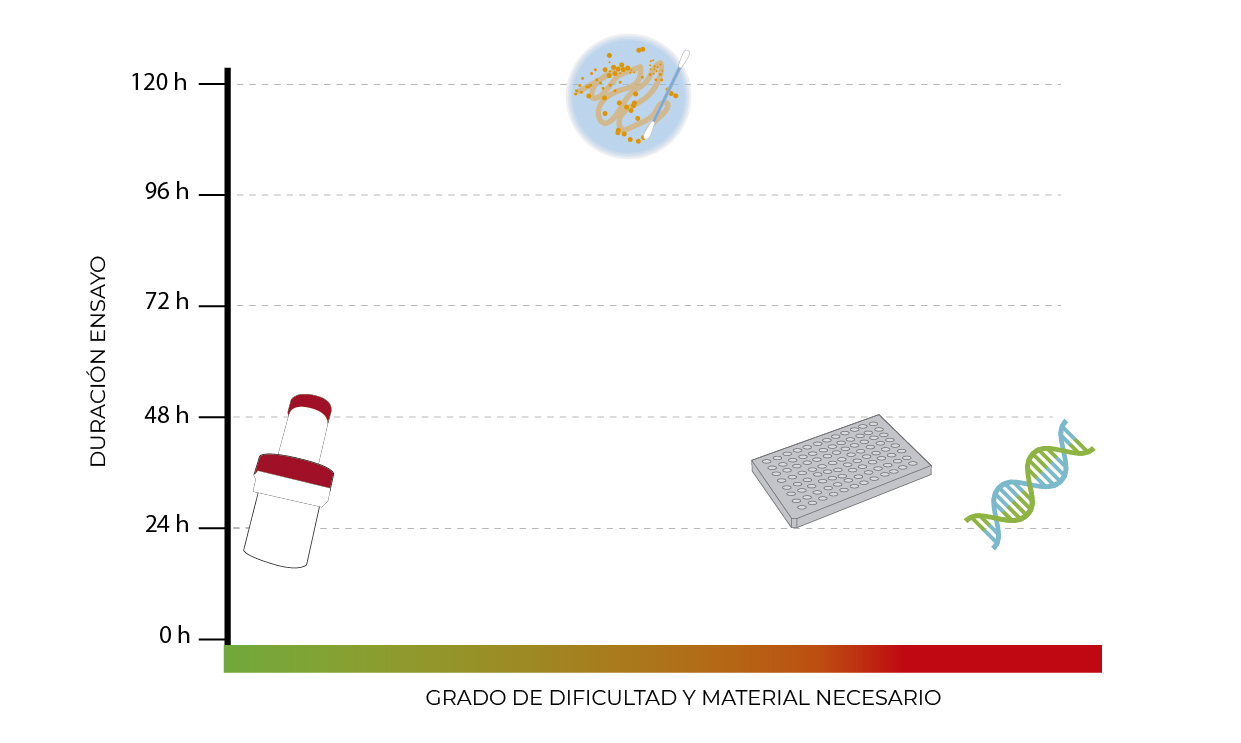
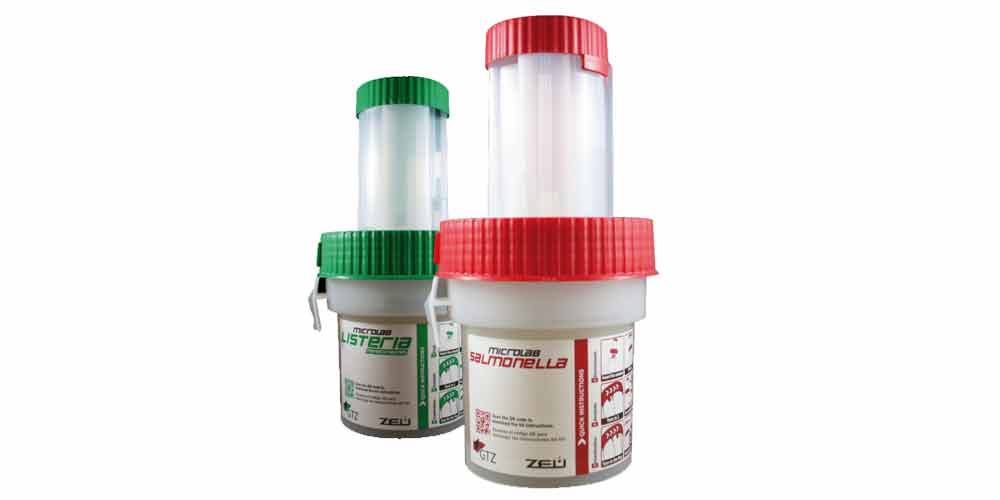
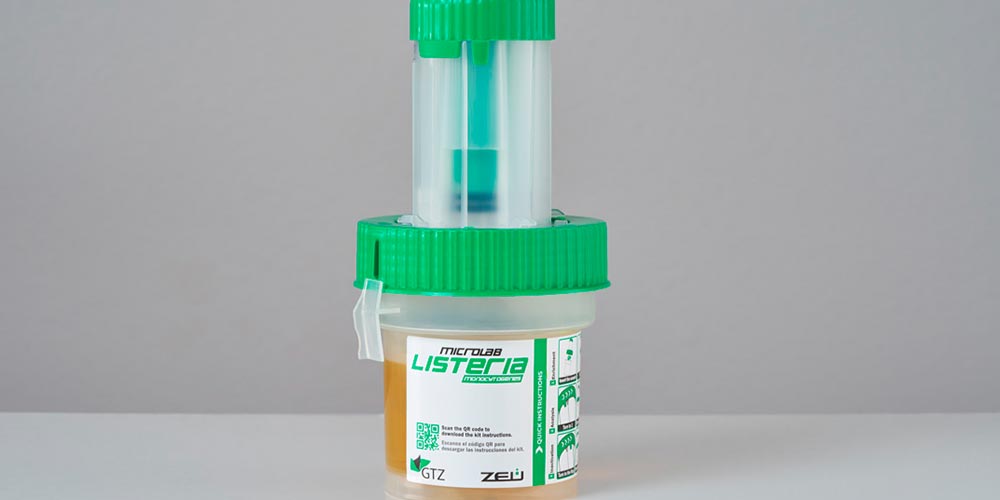
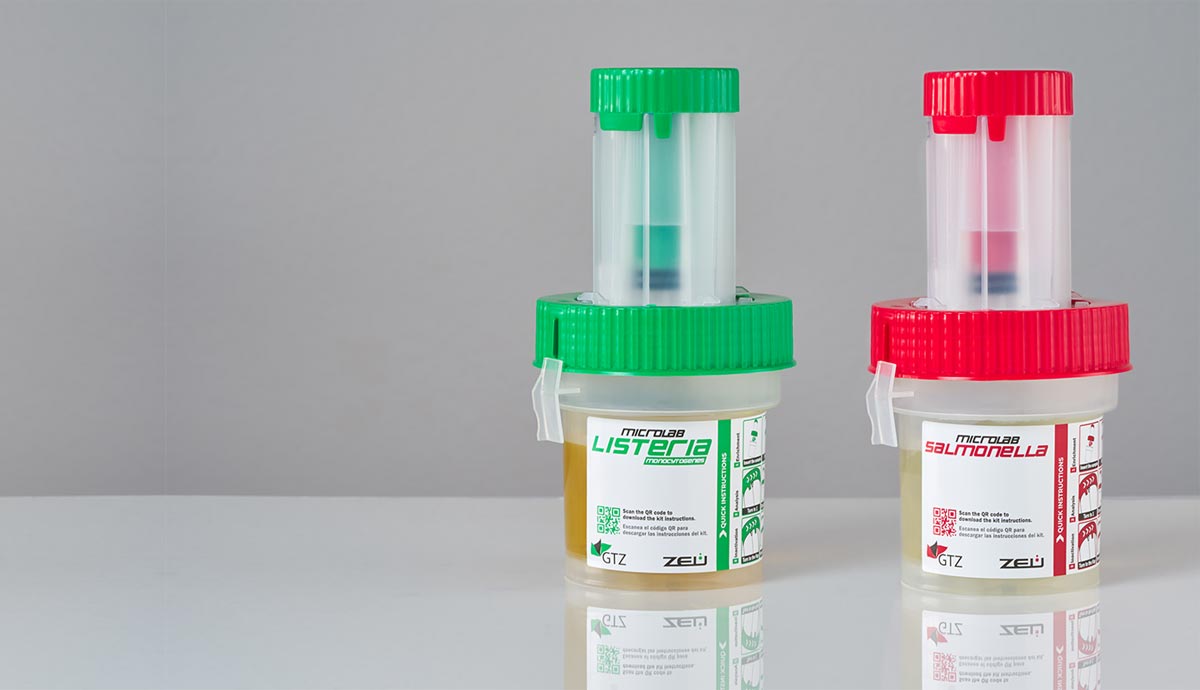
MICROLAB IS A SAFE SOLUTION FOR PATHOGEN SELF-TESTING Microlab is a unique solution for Salmonella and Listeria testing because: It is 100% safe. It can be performed in the food industry without the risk of contaminating the plant due to an accident. It is simple. It can be performed by non-qualified personnel without the need of a laboratory. It is ready-to-use. The device integrates all the material necessary for the analysis, including its inactivation. The benefits for the user are very high when: It needs a quick result to release its product to the market. For example, ready-to-eat foods. It does not have the technical and financial resources to have an in-house laboratory and qualified staff. It does not have the time, both to prepare its own reagents and to perform a multi-step assay that will require dedication and concentration. Microlab is the solution for any food industry that does not currently carry out a Salmonella and Listeria analysis in its plant because it does not have the resources but needs a quick self-control to release its goods. MICROLAB BASIC FOR CUSTOMERS WITH A LABORATORY Some industries or independent laboratories may have a small laboratory and sufficient qualification to be able to carry out their own analyses easily. Microlab Basic is the solution for these customers because: The kit includes all the components to prepare the enrichment medium and perform the detection step with a rapid test. It can perform a simple and quick test. It just has to follow good laboratory practices to work with these samples and to inactivate them at the end of the assay. The technical specifications are identical to those of Microlab. The price is lower. TECHNICAL SPECIFICATIONS OF MICROLAB AND MICROLAB BASIC Microlab Salmonella and Microlab Listeria have been evaluated by the Performance Tested MethodsSM programme of the AOAC Research Institute. Do you need information about Microlab and Microlab Basic? Request the leaflets, product instructions and/or Power Point presentations to marketing@zeulab.iatic.es [button target="_self" hover_type="default" font_weight="400" text_align="center" text="Discover the complete line of Zeulab for the control of pathogens" link="https://www.zeulab.iatic.es/en/patogenos/"] Leer más Patógenos Microlab Listeria Leer más Leer más Patógenos Microlab Salmonella Leer más