Nombre del autor:Pedro Razquin

Pedro Razquin is Owner and CEO at ZEULAB, he is also President of the biotechnology cluster of Aragon. Developing solutions for Food Security.

Residuos Antibióticos Lácteo

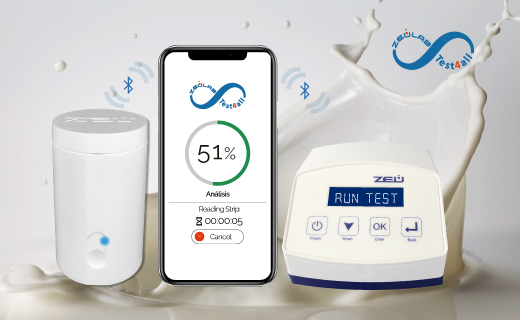
Test4all: Control de antibióticos al alcance de todos, donde y cuando quieras

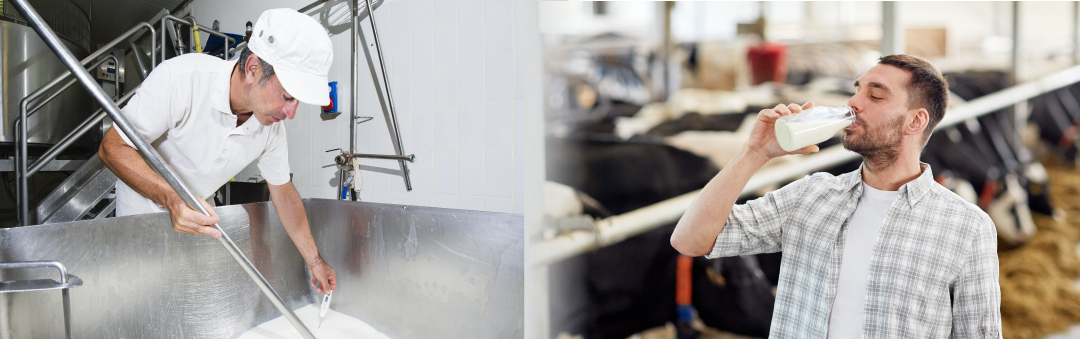
La gestión diaria de la producción de leche es una actividad que implica la participación de muchas personas, localizadas en diversos lugares y con tiempos muy ajustados. En consecuencia, es un sistema que implica un grado de organización muy elevado para que todas las etapas del proceso, desde el ordeño hasta el procesamiento de la leche en planta estén bien coordinadas y se realicen de acuerdo a los estándares establecidos. Disponer de la información en tiempo real de lo que está ocurriendo en cada una de estas etapas puede ser clave para poder tomar decisiones acertadas en nuestro trabajo diario. El tratamiento con antibióticos de los animales con problemas sanitarios es de gran ayuda para mejorar la productividad de la explotación. En este proceso es fundamental realizar una buena gestión para evitar residuos indeseados en la leche que contaminen el tanque de la explotación ganadera o incluso el silo de una industria. Las consecuencias terminan siendo muy graves para todas las partes implicadas.Poder anticiparse al problema mediante un control sencillo en el lugar de producción, durante el transporte o a la llegada a planta representa un beneficio de gran valor para las personas responsables. Gracias a la solución Test4all hoy es posible realizar un ensayo automático de antibióticos mediante un pequeño dispositivo portátil y fácil de usar que conectado a nuestro Smartphone nos permitirá tener resultados en tiempo real y compartirlos con las personas que nos están ayudando a conseguir que nuestra leche esté libre de antibióticos. Un ganadero podrá analizar sus vacas tratadas para evitar un error humano de contaminación o confirmar que el tanque está listo para su entrega antes de que el camión llegue. Un conductor de camión podrá realizar un análisis automático en pocos minutos al llegar a la explotación antes de cargar la leche o incluso realizar el ensayo durante el transporte porque Test4all lo hace solo y envía los resultados en tiempo real. A la llegada a planta, recepción podrá realizar un ensayo rápido y los resultados automáticamente estarán a disposición de los responsables de calidad en el sistema de la empresa. Y en todos estos casos, los resultados se pueden compartir en tiempo real gracias a la conectividad móvil del sistema y una nube específicamente diseñada para la consulta de información. Las múltiples opciones del sistema Test4all permite una adaptación a cualquier tipo de empresa y usuario. Incluso, esta sencilla solución también nos permite controlar otros analitos como Aflatoxina M1. Leer más Aflatoxinas AflaM1 Scan & IRIS Leer más Leer más Residuos antibióticos para el sector lácteo Beta Scan & IRIS Leer más Leer más Residuos antibióticos para el sector lácteo Duplex BT Scan & IRIS Leer más

Aflatoxinas

¿Qué pasos podemos seguir si identificamos Aflatoxina M1 en leche?

La presencia de Aflatoxina M1 en leche es un serio problema para el ganadero e industrial. Como informa la Agencia Española de Seguridad Alimentaria, su alta toxicidad, relacionada con la inducción al cáncer y mutagenicidad, y la dificultad de su destrucción por su alta estabilidad térmica, convierte a esta toxina en unos de los problemas de seguridad alimentaria más complejos para el sector.

Adulterations

Adulterations in the dairy market: Correct labelling of ingredients and components

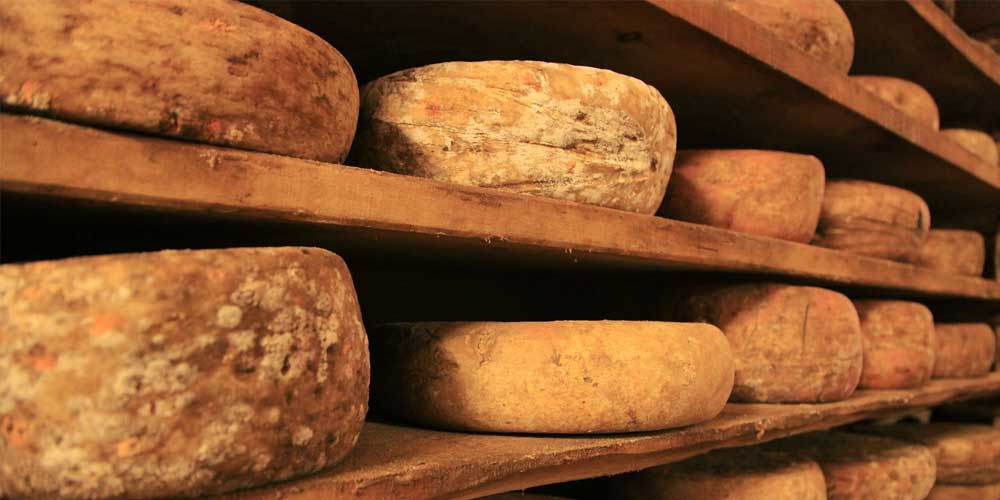
When consumers do their shopping and buy dairy products (e.g. raw or pasteurised milk, buttermilk, cheese or yogurt), they must be sure of what they are buying; thus, ingredients and components should be properly labelled. Cheese is not free from food fraud: sometimes the milk a cheese has been made from does not match the percentages reflected on the label. This can be because the producer has included cheaper milk (usually cow's milk) to the detriment of sheep’s or goat’s milk; or simply because there are remains of the previous production run in a batch, due to hygiene measures not being carried out to 100% effectiveness. This fraud affects pure cheeses with a designation of origin, such as Idiazábal from sheep's milk in Spain, Brique de Chèvre from goat's milk in France or Mozzarella from buffalo milk in Italy, as well as mixed cheeses. The fraud results in consumers overpaying for a cheese that does not correspond to what they think they are buying. Cheese producers also have to ensure the absence of unwanted milk mixtures in pure cheeses for legal labelling reasons. Furthermore, unknown milk mixtures produce undesired changes in organoleptic properties and final product quality. Complaints arose from agricultural and livestock associations such as ASAJA (Agrarian Association of Young Farmers) and UNIPROCA (Caprino Producers Union), who warned of these unscrupulous practices. They are thought to be due to a drop in beef prices and an attempt by some farmers to get the most out of the milk of this species. In 2018, MAPAMA (Ministry of Agriculture and Fisheries, Food and the Environment) took measures and requested the autonomous communities’ Quality Control and Fraud Defence Services to intensify controls during programmed inspections of these products, to check if the percentages in the milk used correspond to those appearing on the ingredient lists. This situation also forced producers to implement more exhaustive controls of their products. Thus, a quick, easy-to-use test for producers to detect adulterations in milk was sought. This also guarantees the purity of their cheeses; as current legislation states a pure cheese cannot contain more than 0.5% of milk from another species.
Residuos Antibióticos Lácteo

3 puntos a considerar para elegir el test de antibióticos más adecuado para mi negocio

Cuando abordamos la elección de un test para el análisis de residuos de antibióticos en leche, tenemos que tener en cuenta 2 aspectos fundamentales: ¿Qué beneficios me aporta cada solución? Por ejemplo, en términos de toma de decisiones, coste económico, reducción de tiempo, adaptabilidad, fiabilidad, … ¿De qué riesgos me protege? Por ejemplo, número de residuos que detecto, puntos críticos donde puedo evaluar su presencia, alteraciones en mis procesos fermentativos, penalizaciones, complejidad de la destrucción de una leche contaminada, etc.

Residuos Antibióticos Lácteo

El sector lácteo 4.0

Las nuevas tecnologías digitales constituyen el principal motor de transformación social y económica en todos los ámbitos de la sociedad. Nadie es ajeno a este cambio de paradigma y a lo que ya se conoce como la nueva revolución industrial 4.0.

Pathogens

Listeria and Salmonella test in a simple and safe device without laboratory

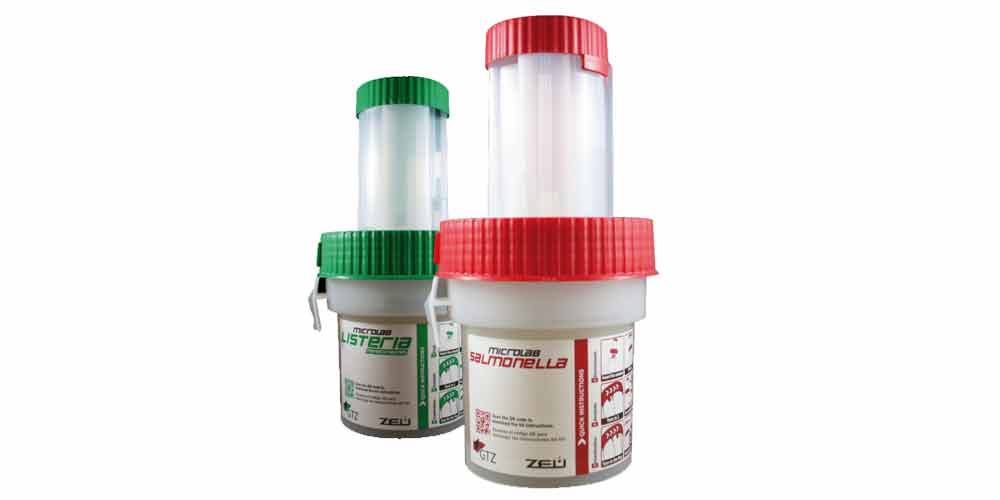
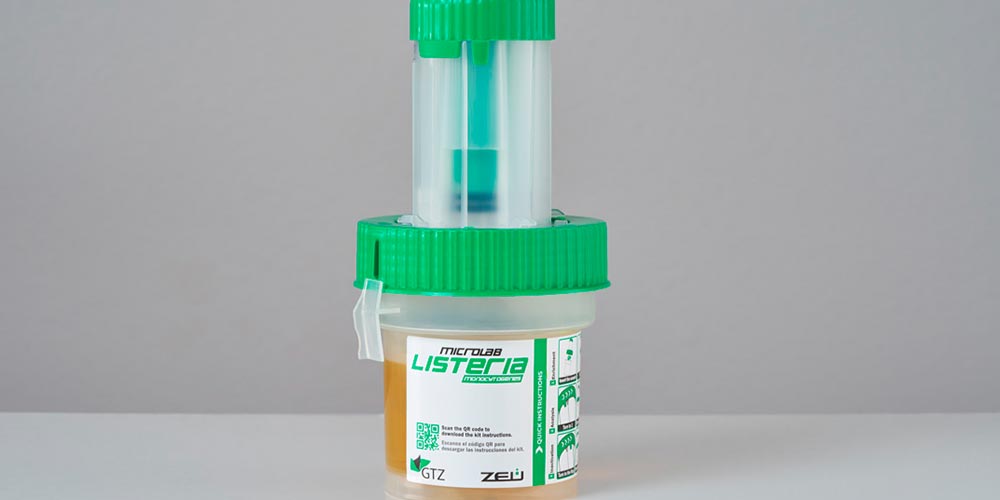
The new MicroLab device can detect the presence of Salmonella or Listeria in food samples in a simple and safe manner. The new system integrates all the assay steps into a single disposable device. It facilitates and speeds up the results while minimizing production losses in case of contamination. Listeria and salmonella are two of the main concerns of the food safety sector. During the period of 2014-2017 there were 1,139 outbreaks of food salmonellosis in Spain and more than 1800 cases of infection in the EU by listeria were reported. In order to manage and improve self-inspection, the company Zeulab is launching onto the market “an analysis device, all in one, which will allow food businesses to autonomously self-inspect without risk of contamination in a simple and reliable way,” notes CEO Dr. Pedro Razquin Zeulab. MicroLab has two product lines, one for detecting Salmonella and one for Listeria monocytogenes. Microlab integrates the three phases of the analysis onto one device (enrichment, detection and inactivation). The process is performed as follows: the device is hermetically closed after introducing the sample, preventing any risk of contamination in the presence of positive samples. Once the enrichment stage has passed, 24 hours or 48 hours for Salmonella Listeria, the result is obtained in 15 minutes in a visually and easily interpretable manner. Once the text is complete, the device may be inactivated so that it can be disposed of in a safe way. The advantages of this new device include the ability to reduce/eliminate the risk and perform a first check for both those products that due to having a short life need fast results and companies that do not have their own laboratory and need fast results that enable them to start the transformation process of the product. It permits the application of the device on a wide variety of meat, dairy, egg and smoked products. Safety and risk of contamination are key elements in the reputation of food brands. Thanks to its simplicity and safety, food businesses will have a new safety system incorporated in their work processes, allowing them to analyze themselves without the need for an internal laboratory, an extra step in food safety.

Scroll al inicio