Nombre del autor:David Millán

PhD in food technology. Business Developer at Zeulab.

Allergens

Avoiding nuts cross-contamination in your food products by using rapid allergen tests.

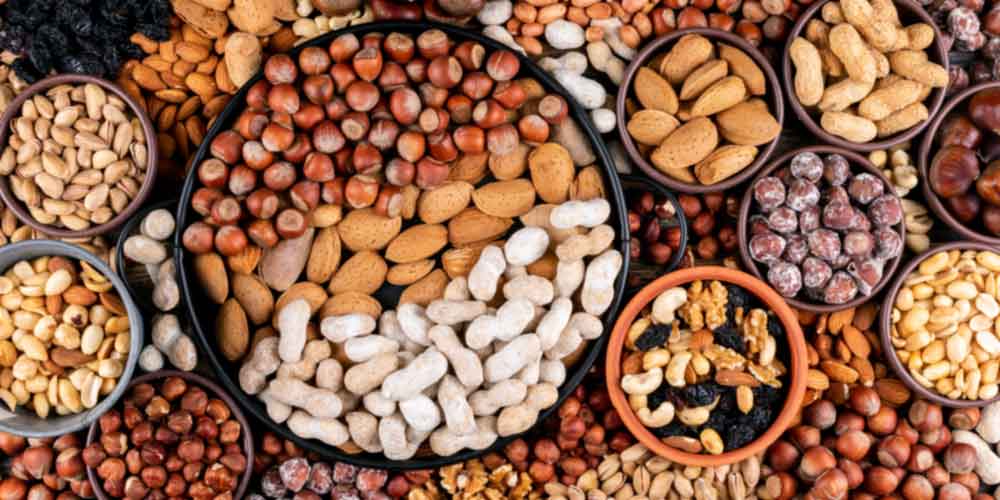
Avoiding nuts cross-contamination in your food  products by using rapid allergen tests. Nut allergy is one of the most common allergies in childhood, causing one of the most severe anaphylactic reactions. Depending on the characteristics of the diet, allergenic foods will vary from one geographical area to another. Thus, the peanut is the nut that causes the most allergic reactions in the United States, while in Europe it is the hazelnut. Therefore, the food industry is faced with the responsibility to ensure consumer safety by properly labelling nut-containing products and preventing cross-contamination of nuts during production in nut-free products. One of the tools that the food industry has adopted to control the presence of nuts and prevent cross contamination is the use of rapid allergen detection strips. These rapid strips offer manufacturers an effective and rapid approach to identifying the presence of allergenic nut proteins in foods and surfaces, allowing companies to take immediate action to prevent cross-contamination and ensure foods are safe to consume. Among the advantages offered by the use of quick strips are: Speed: These strips provide results in minutes, allowing food companies to perform real-time testing during production. Ease of use: The strips are simple to use and do not require sophisticated laboratory equipment. Production staff can perform tests efficiently. Sensitivity and specificity: The strips are designed to detect specific allergens with high sensitivity and specificity, minimizing false positives or negatives. Cross-contamination prevention: Early detection of allergens helps prevent cross-contamination in production facilities and ensures that final products are free of undeclared allergens. Regulatory Compliance: Using rapid allergen detection strips helps companies comply with food labelling regulations and standards, which is critical for transparency and food safety. Zeulab continues working to help the food industry with rapid strips for the determination of nuts, in this case the solution for the detection of walnuts (PROTEON EXPRESS WALNUT) has been developed that completes the current solutions for the detection of hazelnuts (PROTEON EXPRESS HAZELNUT) and almond (PROTEON EXPRESS ALMOND). [button target="_self" hover_type="default" text="Leer este artículo en español" link="https://www.zeulab.iatic.es/centro-de-conocimiento/protocolo-de-limpieza-alergenos-verifica-en-10-minutos/"] Leer más Rápidos Lab2GO Leer más Leer más Rápidos Proteon Soy Express Leer más Leer más Rápidos Test gluten: Proteon Gluten Express Leer más Leer más Rápidos Test de alérgeno de leche: Proteon Duo Milk Express Leer más [button target="_self" hover_type="default" font_weight="400" text_align="center" text="Discover Zeulab's complete line for the detection of water/marine toxins." link="https://www.zeulab.iatic.es/en/marine-water-toxins/"][button target="_self" hover_type="default" font_weight="400" text_align="center" text="Read this article in english" link="https://www.zeulab.iatic.es/en/centro-de-conocimiento/is-it-possible-to-detect-microcystins-in-one-hour/"]

Alérgenos

Evita contaminaciones cruzadas en tus productos con frutos secos mediante la utilización de test rápidos de alergenos

Evita contaminaciones cruzadas en tus productos con frutos secos mediante la utilización de test rápidos de alérgenos La alergia a frutos secos es una de las más frecuentes en la infancia, provocando una de las  reacciones anafilácticas más graves. Dependiendo de las características de la dieta, los alimentos alergénicos van a variar de una zona geográfica a otra. De esta manera, el cacahuete es el fruto seco que más reacciones alérgicas provoca en Estados Unidos, mientras que en Europa es la avellana. En el caso de España, el estudio Pronuts-presentado en el congreso de 2018 de la SEICAP- identifico a las nueces como los frutos secos a los que con mayor frecuencia son alérgicos los niños españoles. Es por ello, que la industria alimentaria se enfrenta a la responsabilidad de garantizar la seguridad de los consumidores al etiquetar adecuadamente los productos que contienen frutos secos y prevenir la contaminación cruzada de los mismos durante la producción en productos que no contengan frutos secos. Una de las herramientas que la industria alimentaria ha adoptado para controlar la presencia de frutos secos y prevenir la contaminación cruzada es el uso de tiras rápidas de detección de alérgenos. Estas tiras rápidas ofrecen a los fabricantes un enfoque eficaz y rápido para identificar la presencia de proteínas alergénicas de frutos secos en alimentos y superficies, permitiendo a las empresas tomar medidas inmediatas para prevenir la contaminación cruzada y garantizar que los alimentos sean seguros para su consumo. Entre las ventajas que ofrecen la utilización de las tiras rápidas destacan: Rapidez: Estas tiras proporcionan resultados en cuestión de minutos, lo que permite a las empresas de alimentos realizar pruebas en tiempo real durante la producción. Facilidad de uso: Las tiras son simples de utilizar y no requieren un equipo de laboratorio sofisticado. El personal de producción puede llevar a cabo pruebas de manera eficiente. Sensibilidad y especificidad: Las tiras están diseñadas para detectar alérgenos específicos con alta sensibilidad y especificidad, lo que minimiza los falsos positivos o negativos. Prevención de contaminación cruzada: La detección temprana de alérgenos ayuda a prevenir la contaminación cruzada en las instalaciones de producción y asegura que los productos finales estén libres de alérgenos no declarados. Cumplimiento normativo: Utilizar tiras rápidas de detección de alérgenos ayuda a las empresas a cumplir con las regulaciones y estándares de etiquetado de alimentos, lo que es fundamental para la transparencia y la seguridad alimentaria. Zeulab sigue trabajando en ayudar a la industria alimentaria con tiras rápidas para la determinación de frutos secos, en este caso se  ha desarrollado la solución para la detección de nuez (PROTEON EXPRESS WALNUT) que completa las actuales soluciones para la detección de avellana (PROTEON EXPRESS HAZELNUT) y almendra ((PROTEON EXPRESS ALMOND). ZEULAB ofrece soluciones analíticas rápidas y sencillas para verificar la ausencia de los principales alérgenos alimentarios en las líneas de producción. [button target="_self" hover_type="default" text="Read this article in english" link="https://www.zeulab.iatic.es/en/centro-de-conocimiento/do-you-know-if-your-cleaning-protocol-for-allergens-is-working-correctly-verify-it-in-just-10-minutes/"]
Allergens

Do you know if your cleaning protocol for allergens is working correctly? Verify it in just 10 minutes

Food industries that work with allergens know the importance of having cleaning protocols in place capable of preventing any risk of allergen cross-contamination between different products made on the same production lines. Although they may be efficient from a hygienic standpoint, cleaning protocols may be ineffective in removing allergens. Visual inspection is insufficient to guarantee complete removal of allergens so a proper cleaning protocol must be designed. It must then be validated and routinely verified by analytical methods that determine the presence or absence of allergens on the production lines. The validation stage is to show that the designed cleaning protocol is adequate and meets the objective of eliminating allergens, usually by quantitative analytical methods. An example is an ELISA test, which can determine allergen concentration on a production line before and after the application of the cleaning protocol; thus determining whether the designed cleaning protocol is capable of removing allergens below the safety threshold. After validation, the cleaning process has to be verified in practice; thus demonstrating that, each time the cleaning process is used, it works as designed and validated with no deviations. In other words, the cleaning process must be capable of removing allergens every time it is used. For this, qualitative methods such as rapid strips can be used, to confirm the absence or presence of the allergen according to the safety threshold. Quick strips can verify the cleaning process in just 10 minutes, thus allowing food companies to continue with their daily production protocols. In addition, this can be done by any production line operator, as they do not require specific equipment or trained personnel. ZEULAB offers fast and simple analytical solutions to verify the absence of the main food allergens in production lines. [button target="_self" hover_type="default" text="Leer este artículo en español" link="https://www.zeulab.iatic.es/centro-de-conocimiento/protocolo-de-limpieza-alergenos-verifica-en-10-minutos/"] Leer más Rápidos Lab2GO Leer más Leer más Rápidos Proteon Soy Express Leer más Leer más Rápidos Test gluten: Proteon Gluten Express Leer más Leer más Rápidos Test de alérgeno de leche: Proteon Duo Milk Express Leer más [button target="_self" hover_type="default" font_weight="400" text_align="center" text="Discover Zeulab's complete line for the detection of water/marine toxins." link="https://www.zeulab.iatic.es/en/marine-water-toxins/"][button target="_self" hover_type="default" font_weight="400" text_align="center" text="Read this article in english" link="https://www.zeulab.iatic.es/en/centro-de-conocimiento/is-it-possible-to-detect-microcystins-in-one-hour/"]

Alérgenos

¿Sabes si tu protocolo de limpieza funciona correctamente frente a alérgenos? Verifícalo en tan solo 10 minutos

¿Sabes si tu protocolo de limpieza funciona correctamente? Las industrias alimentarias que trabajan con alérgenos conocen la importancia de tener implementados protocolos de limpieza capaces de evitar cualquier riesgo de contaminación cruzada de alérgenos entre diferentes productos elaborados en las mismas líneas de producción. Los protocolos de limpieza, aunque pueden ser eficientes desde un punto de vista higiénico, pueden ser ineficaces para la eliminación de los alérgenos. Una inspección visual no garantiza una completa eliminación de los alérgenos y por ello es necesario diseñar un correcto protocolo de limpieza. Este protocolo, tiene que ser validado y verificado rutinariamente mediante métodos analíticos para determinar la presencia o no de los alérgenos en las líneas de producción. En la etapa de validación se demuestra que el protocolo de limpieza diseñado es el adecuado y cumple con el objetivo de eliminar los alérgenos. En este caso, se utilizan métodos analíticos cuantitativos, como los test ELISA, que permite determinar la concentración de los alérgenos en las líneas de producción antes y después de la aplicación del protocolo de limpieza y determinar así que el protocolo de limpieza diseñado es capaz de eliminar los alérgenos hasta situarlos por debajo del umbral de seguridad. Tras validar el proceso de limpieza, este tiene que ser verificado. El proceso de verificación tiene como objetivo demostrar que cada vez que se emplea el proceso de limpieza, éste funciona correctamente tal y como se ha diseñado y validado y no hay ninguna desviación, es decir que siempre que se emplee el proceso de limpieza, este sea capaz de eliminar los alérgenos. Para ello, se pueden emplear métodos cualitativos como son las tiras rápidas que permiten determinar la ausencia o presencia del alérgeno en función del umbral de seguridad. Las tiras rápidas permiten verificar el proceso de limpieza en tan solo 10 minutos permitiendo a las empresas alimentarias continuar con sus protocolos de producción diarios. Además, al no necesitar de equipamiento específico o personal formado pueden ser realizadas por cualquier operador en las mismas líneas de producción. ZEULAB ofrece soluciones analíticas rápidas y sencillas para verificar la ausencia de los principales alérgenos alimentarios en las líneas de producción. Leer más Rápidos Lab2GO Leer más Leer más Rápidos Proteon Soy Express Leer más Leer más Rápidos Test gluten: Proteon Gluten Express Leer más Leer más Rápidos Test de alérgeno de leche: Proteon Duo Milk Express Leer más [button target="_self" hover_type="default" text="Read this article in english" link="https://www.zeulab.iatic.es/en/centro-de-conocimiento/do-you-know-if-your-cleaning-protocol-for-allergens-is-working-correctly-verify-it-in-just-10-minutes/"]
Water and Marine Toxins

Is it possible to detect microcystins in one hour?

Microcystins detection The quality of water intended for human consumption is one of the main concerns globally. Health criteria are increasingly strict and include new analytical parameters for quality determination, such as the detection of microcystins. Microcystins are toxins generated by the uncontrolled growth of cyanobacteria present in water under specific conditions of temperature, light or with the presence of nutrients or metals; over 80 variants with toxic capacity have been classified. Several studies show the relationship between these toxins and different allergic and stomach pathologies in humans and animals, which are considered by the WHO as promoters of liver or colon cancer in the medium and long term. For these reasons, there is a new Royal Decree with stricter technical and health criteria for the supply and quality control of drinking water to increase public protection against any adverse effects. This transposes the Directive (EU) 2020/2184 on the quality of water intended for human consumption and replaces RD 140/2003; it includes a new series of analytical parameters to determine drinking water quality. METHODOLOGY At Zeulab, we have developed a microcystin detection kit based on the use of biological targets, specifically phosphatase inhibition, to determine the potential toxicity of the sample. It detects all variants regardless of their chemical structure and will reflect the potential toxicity associated with the water sample. It can be used to analyse both natural water and water in the process of being purified, and can identify both free and intracellular toxins. This methodology reproduces the mechanism of action of microcystins in humans and is based on the ability of phosphatase to hydrolyse a substrate, forming a product detectable at 405 nm. The enzymatic activity of phosphatase is inhibited by microcystins proportionally to their amount in the sample. In addition to determining the potential toxicity of the sample, Microcytest is notable for its simplicity of use. The test is easily implementable in laboratories and provides very quick results in less than 1 hour. Assay procedure: The quality of water intended for human consumption is one of the main concerns globally. Health criteria are increasingly strict and include new analytical parameters for quality determination, such as the detection of microcystins. Microcystins are toxins generated by the uncontrolled growth of cyanobacteria present in water under specific conditions of temperature, light or with the presence of nutrients or metals; over 80 variants with toxic capacity have been classified. Several studies show the relationship between these toxins and different allergic and stomach pathologies in humans and animals, which are considered by the WHO as promoters of liver or colon cancer in the medium and long term. For these reasons, there is a new Royal Decree with stricter technical and health criteria for the supply and quality control of drinking water to increase public protection against any adverse effects. This transposes the Directive (EU) 2020/2184 on the quality of water intended for human consumption and replaces RD 140/2003; it includes a new series of analytical parameters to determine drinking water quality. Leer más Enzimáticos Microcystest Leer más [button target="_self" hover_type="default" font_weight="400" text_align="center" text="Discover Zeulab's complete line for the detection of water/marine toxins." link="https://www.zeulab.iatic.es/en/marine-water-toxins/"][button target="_self" hover_type="default" font_weight="400" text_align="center" text="Leer este artículo en español" link="https://www.zeulab.iatic.es/centro-de-conocimiento/detectar-microcistinas-en-una-hora/"]
Toxinas de Agua y Marinas

¿Es posible detectar microcistinas en una hora?

La calidad del agua destinada al consumo humano es una de las principales preocupaciones mundiales. Cada vez los criterios sanitarios son más estrictos e incluyen nuevos parámetros analíticos de determinación de la calidad como por ejemplo la detección de microcistinas. Las microcistinas son toxinas generadas por un crecimiento descontrolado de cianobacterias presentes en agua bajo condiciones específicas de temperatura, luz, nutrientes o presencia de metales, llegándose a clasificar más de 80 variantes con capacidad tóxica. Diversos estudios demuestran la relación entre estas toxinas y diferentes patologías alérgicas y estomacales en seres humanos y en animales, siendo consideradas por la OMS como promotoras del cáncer de hígado o colon en el medio y largo plazo. Por esta razón y para aumentar la protección de los ciudadanos frente a cualquier efecto adverso presente en el agua de consumo, el nuevo Real Decreto establece criterios técnicos-sanitarios más estrictos del suministro y control de la calidad que sustituirá el RD 140/2003 y transpondrá así la Directiva (UE) 2020/2184 relativa a la calidad de las aguas destinadas al consumo humano. Con esta finalidad, se han incorporado una nueva serie de parámetros analíticos para la determinación de la calidad del agua de consumo. METODOLOGÍA En Zeulab hemos desarrollado un kit de detección de microcistinas basado en la utilización de dianas biológicas, específicamente en la inhibición de la fosfatasa, para determinar la potencial toxicidad de la muestra. Detecta todas las variantes independientemente de su estructura química por lo que reflejará la toxicidad potencial asociada a la muestra de agua. Sirve para analizar tanto aguas naturales como aguas en proceso de potabilización, y permite identificar toxinas tanto libres como intracelulares. Esta metodología reproduce el mecanismo de acción de microcistinas en humanos y está basada en la capacidad de la fosfatasa en hidrolizar un sustrato, obteniendo un producto detectable a 405 nm. En presencia de microcistinas se produce una inhibición de la actividad enzimática de la fosfatasa proporcional a la cantidad de microcistinas presente en la muestra. Microcytest, además de determinar la potencial toxicidad de la muestra, se caracteriza por la simplicidad del ensayo siendo fácilmente implementable en los laboratorios y una rapidez en la obtención de los resultados con un tiempo de obtención de resultados menor a 1 hora. Procedimiento de ensayo: La calidad del agua destinada al consumo humano es una de las principales preocupaciones mundiales. Cada vez los criterios sanitarios son más estrictos e incluyen nuevos parámetros analíticos de determinación de la calidad como por ejemplo la detección de microcistinas. Las microcistinas son toxinas generadas por un crecimiento descontrolado de cianobacterias presentes en agua bajo condiciones específicas de temperatura, luz, nutrientes o presencia de metales, llegándose a clasificar más de 80 variantes con capacidad tóxica. Diversos estudios demuestran la relación entre estas toxinas y diferentes patologías alérgicas y estomacales en seres humanos y en animales, siendo consideradas por la OMS como promotoras del cáncer de hígado o colon en el medio y largo plazo. Por esta razón y para aumentar la protección de los ciudadanos frente a cualquier efecto adverso presente en el agua de consumo, el nuevo Real Decreto establece criterios técnicos-sanitarios más estrictos del suministro y control de la calidad que sustituirá el RD 140/2003 y transpondrá así la Directiva (UE) 2020/2184 relativa a la calidad de las aguas destinadas al consumo humano. Con esta finalidad, se han incorporado una nueva serie de parámetros analíticos para la determinación de la calidad del agua de consumo. Leer más Enzimáticos Microcystest Leer más [button target="_self" hover_type="default" font_weight="400" text_align="center" text="Descubre la línea completa para la detección de toxinas de agua" link="https://www.zeulab.iatic.es/toxinas-de-agua-y-marinas/"][button target="_self" hover_type="default" font_weight="400" text_align="center" text="Read this article in english" link="https://www.zeulab.iatic.es/en/centro-de-conocimiento/is-it-possible-to-detect-microcystins-in-one-hour/"]

Allergens

7 things to bear in mind when labelling a gluten-free food

Approximately 1% of the world's population suffers from coeliac disease, This is why there are more and more gluten-free food products on the market to cater for people with coeliac disease. If one of your products containing gluten shares a production line with another that does not, and you need to ensure the latter remains gluten-free, these 7 recommendations will be of great help: IDENTIFY YOUR RISKS 1) Find the areas or points in your production process where there may be a risk of cross contamination from gluten; those areas or parts of the equipment where material containing gluten may get trapped are all risk points. 2) Design measures to prevent or reduce this possible cross contamination. The use of cleaning protocols which include specific detergents to remove allergenic proteins may be a good option. 3) Evaluate the effectiveness of these measures. CHECK YOUR PRODUCT FORMULATION Check that all the ingredients you use in the product are gluten-free. Your ingredient supplier can provide you with this information, along with a certificate of analysis. Remember that, following a change in supplier or a modification in the product formulation, you will have to verify that the ingredients are gluten-free. For greater peace of mind, you can establish a periodic control of raw materials. STORE YOUR INGREDIENTS CORRECTLY If your company works with ingredients that contain gluten, these must be clearly identified and separated from the rest of the ingredients by a physical barrier that prevents cross-contamination with gluten. Colour marking or labelling areas designated for ingredients with gluten helps prevent human error. PREVENT CROSS CONTAMINATION DURING PRODUCTION We have already discussed how to store ingredients to prevent gluten cross contamination. But what about the production process itself? If you use the same production lines for both gluten-free products and those containing gluten, you should ensure that the cleaning has been effective and that no traces of gluten have remained. Quick strips are useful for quickly and easily determining the absence of gluten on surfaces, to prevent any risk of cross contamination. CONTROL THE FLOW OF YOUR STAFF You may have verified that your manufacturing process control measures are effective, but have you considered the product may become contaminated afterwards? In some cases, the movement of personnel may pose a risk to the product. A good example is the rest areas where personnel eat. Special care must be taken with personnel who come into contact with foods containing gluten as it may be retained by their clothing and contaminate a gluten-free product later. LABEL YOUR PRODUCT IN ACCORDANCE WITH CURRENT LEGISLATION When labelling a gluten-free product, current legislation indicates a maximum concentration for it of less than 20 ppm. Again, quick strips are a simple, fast and economic solution to determine the concentration of gluten in your product. Many quick strips can also determine concentrations below the legal limit; thus providing higher levels of safety for your product, as required by certain distribution surfaces. BE CAREFUL WITH HYDROLYSED AND FERMENTED FOODS If your product undergoes a hydrolysing or fermentation process during its production, such as gluten-free beer, you will know that these technological processes can affect the structure of gluten. As with gluten-free foods, to label these products as gluten-free, you must verify that its gluten content is less than 20 ppm. ZEULAB offers you quick and simple analytical solutions to verify both the absence of gluten on surfaces and in foods, so you can justify the labelling of your products as gluten-free. [button target="_self" hover_type="default" font_weight="400" text_align="center" text="Read this article in english" link="https://www.zeulab.iatic.es/en/knowledge-center/7-things-to-bear-in-mind-when-labelling-a-gluten-free-food/"] Leer más Rápidos Lab2GO Leer más Leer más Rápidos Proteon Egg Express Leer más Leer más Rápidos Test de alérgeno de leche: Proteon Duo Milk Express Leer más [button target="_self" hover_type="default" font_weight="400" text_align="center" text="Discover Zeulab's complete portfolio of allergen control" link="https://www.zeulab.iatic.es/en/alergenos/"]
Alérgenos

7 puntos a tener en cuenta si etiquetas un alimento sin gluten

Aproximadamente un 1% de la población mundial sufre de celiaquía, es por ello que cada vez hay más productos en el mercado sin gluten que facilitan la elección de alimentos a las personas celiacas. Si necesitas asegurar que alguno de tus productos no contenga gluten, pero compartes línea de producción con un producto que lo contiene, estas 7 recomendaciones te serán de gran ayuda: 1- IDENTIFICA TUS RIESGOS Detecta las zonas o puntos en tu proceso de elaboración donde pueda existir riesgo de contaminación cruzada por gluten. Las áreas o partes de equipos donde puedan quedar retenido material que contenga gluten son puntos de riesgo. Diseña medidas que eviten o reduzcan esa posible contaminación cruzada. La aplicación de protocolos de limpieza en los cuales se incluyan detergentes específicos para la eliminación de proteínas alergénicas puede ser una buena opción. Evalúa la eficacia de estas medidas.   2- COMPUEBA LA FORMULACIÓN DE TU PRODUCTO Comprueba que todos los ingredientes que vas a utilizar en la elaboración del producto están libres de gluten. Tu proveedor de ingredientes te puede facilitar esta información con incluso un certificado de análisis. Ten en cuenta que si hay un cambio de proveedor o una modificación de la formulación de tu producto tendrás que verificar que los ingredientes estén libres de gluten. Para mayor tranquilidad puedes establecer un control de materias primas de forma periódica. 3- ALMACENA TUS INGREDIENTES CORRECTAMENTE Si tu empresa trabaja con ingredientes que contienen gluten, éstos deberán estar claramente identificados y separados del resto de ingredientes mediante alguna barrera física para evitar una posible contaminación cruzada de gluten. Señalizar con colores o etiquetas las zonas designadas a los ingredientes con gluten te ayudará a evitar errores humanos. 4- EVITA CONTAMINACIONES CRUZADAS DURANTE LA PRODUCCIÓN Ya hemos comentado como almacenar los ingredientes para evitar contaminación cruzadas de gluten. ¿Pero qué ocurre con las líneas de producción? En el caso de que utilices las mismas líneas de producción para la elaboración de productos con gluten y libre de gluten, es importante verificar que la limpieza ha sido eficaz y no han quedado trazas de gluten. El empleo de tiras rápidas te permite de manera rápida y sencilla determinar la ausencia de gluten en superficies y evitar así cualquier riesgo de contaminación cruzada. 5- CONTROLA EL FLUJO DE TU PERSONAL Has verificado que tus medidas de control durante el proceso de fabricación han sido eficaces, pero ¿has considerado un posible re-contaminación del producto? En algunos casos los movimientos del personal pueden suponen un riesgo a considerar. Un buen ejemplo son las zonas de descanso donde almorzamos. Debemos tener especial cuidado con el personal que entra en contacto con alimentos con gluten que puede arrastrar en la ropa y re-contaminar tu producto. 6- ETIQUETA CORRECTAMENTE TU PRODUCTO DE ACUERDO CON LA LEGISLACIÓN VIGENTE La actual legislación indica que, para poder etiquetar un producto libre de gluten, la concentración de éste debe de ser inferior a 20 ppm. De nuevo las tiras rápidas son un solución sencilla, rápida y económica para determinar la concentración de gluten en tu producto. Además, gracias a los bajos límites de detección de las tiras rápidas, éstas te permiten determinar concentraciones inferiores a los límites legales, obteniendo así mayores niveles de seguridad en tu producto requeridos por ciertas superficies de distribución. 7- ATENCIÓN A LOS ALIMENTOS HIDROLIZADOS Y FERMENTADOS Si elaboras un producto, como la cerveza sin gluten, que sufre durante su elaboración un proceso de hidrolización o fermentación, sabrás que la estructura del gluten puede verse afectada por estos procesos tecnológicos. Al igual que los alimentos libres de gluten, para poder etiquetar estos productos como libres de gluten debes verificar que su contenido es inferior a 20 ppm ZEULAB te ofrecen soluciones analíticas rápidas y sencillas para verificar tanto la ausencia de gluten en superficies como en alimentos pudiendo así etiquetar correctamente tus productos como libre de gluten. [button target="_self" hover_type="default" font_weight="400" text_align="center" text="Read this article in english" link="https://www.zeulab.iatic.es/en/centro-de-conocimiento/7-things-to-bear-in-mind-when-labelling-a-gluten-free-food/"] Leer más Rápidos Lab2GO Leer más Leer más Rápidos Proteon Egg Express Leer más Leer más Rápidos Test de alérgeno de leche: Proteon Duo Milk Express Leer más [button target="_self" hover_type="default" font_weight="400" text_align="center" text="Descubre la línea completa de Zeulab para el control de alérgenos" link="https://www.zeulab.iatic.es/alergenos/"]
Allergens

Allergens with most notifications reported by the rapid alert system for food and feed (RASFF)

The RASFF (Rapid Alert System for Food and Feed) is a tool used to assure the food safety of the food products in the European Union (EU) marketplace. Yearly, the RASFF publishes a report with all the notifications in relation to food products which can involve a risk for consumers. The analysis of allergen notifications reported by the RASFF in the last 5 years (Figure 1) shows a notably increment, moving form 113 notifications in 2016 to 217 notification in 2019, leading a percentage increase of the 92%. Figure 1.Number of notifications of food allergen reported by RASFF between 2015-2019. A deeper analysis of the notification of the period of time studied (2015-2019), can help us to identify the allergens (according to the list published in the EU Regulation 1169*2011) with the highest number of notifications (Figure 2). Figure 2. Number of notifications related to allergen reported by RASFF between 2015-2019 From the figure 2, 4 allergens can be highlighted with more than 1000 notifications: Milk and derivatives (211 notifications) Gluten (161 notifications) Nuts (almonds, Hazelnuts, lupins, etc.) (101 notifications) Soya (100 notifications) This high number of notifications can be related with the fact that these allergens are widely used by food industries due to its technical food properties and/or for being basic ingredients in the formulation of a variety of food products. PROTEN Express tests by ZEULAB offer solutions to the food industries for the rapid detection of food allergens. Among them, PROTEON DUO MILK, which combines in the same assay the ability to detect β-lactoglobulin (indicator of the presence of serum proteins) and casein, can be especially useful in food industries that carry out different production processes using milk, whey or caseinates. From ZEULAB, we help and guide our clients to select the suitable allergen test for their activities. If you want, we can advise you to perform your allergen food analysis. Leer más Rápidos Proteon Egg Express Leer más Leer más Rápidos Test de alérgeno de leche: Proteon Duo Milk Express Leer más Leer más Rápidos Proteon Almond Express Leer más [button target="_self" hover_type="default" font_weight="400" text="Discover Zeulab's complete portfolio of allergen control" link="https://www.zeulab.iatic.es/en/alergenos/"]
Alérgenos

Los alergenos con más notificaciones en el sistema de alerta rápido europeo (RASFF)

El RASFF (Sistema de Alerta Rápido para Alimentos y Piensos) es una herramienta utilizada para garantizar la seguridad de los alimentos que se comercializan en la Unión Europea. Anualmente, el RASFF elabora una publicación donde se recoge todas las notificaciones en relación a los alimentos que presentan un riesgo para el consumidor. El estudio de las notificaciones de alergenos comunicadas por el RASFF en los últimos 5 años (Figura 1) nos muestra un notable incremento en su número, pasando de 113 notificaciones en 2016 a 217 en 2019, lo que significa un aumento de notificaciones del 92%. Figura 1. Numero de notificaciones de alérgenos comunicadas por el RASFF entre 2015-2019. Un análisis más en profundidad de estas notificaciones de alergenos en el periodo de tiempo estudiado (2015-2019), nos puede ayudar a identificar los alergenos (declarados como tales en el Reglamento UE 1169/2011) que muestran un mayor número de alertas (Figura 2). Figura 2. Numero de notificaciones relacionados con alérgenos comunicados por la RASFF entre 2015-2019 Destacan 4 alérgenos con más de 100 notificaciones: Leche y sus derivados (211 notificaciones) Gluten (161 notificaciones) Fruto de cascara (almendras, avellanas, anacardos, etc.) (101 notificaciones) Soja (100 notificaciones) Este alto número de notificaciones puede estar unida a que estos alérgenos son ampliamente utilizados por las industrias alimentarias tanto por sus propiedades funcionales como por ser ingredientes básicos en la formulación de muchos alimentos. Los test PROTEON Express de ZEULAB ofrecen soluciones a las empresas del sector alimentario para la detección rápida de alérgenos. Entre ellos se puede destacar PROTEON DUO MILK, el cual integra en un mismo ensayo la capacidad de detección de β-lactoglobulina (indicador de presencia de proteínas séricas) y caseína, siendo especialmente útil en industrias que realizan diferentes procesos de producción usando leche, suero o caseinatos. En Zeulab ayudamos a nuestros clientes a elegir su test de alérgenos más adecuado para su actividad. Si quieres podemos asesorarte para realizar tus análisis. Leer más Rápidos Proteon Egg Express Leer más Leer más Rápidos Test de alérgeno de leche: Proteon Duo Milk Express Leer más Leer más Rápidos Proteon Almond Express Leer más [button target="_self" hover_type="default" font_weight="400" text="Descubre la línea completa de Zeulab para el control de alérgenos" link="https://www.zeulab.iatic.es/alergenos/"]
Scroll al inicio